
Emotion & Culture Lab Zhejiang University
浙江大学 · Zhejiang University

Emotion & Culture Lab

Understanding emotion across expressions and cultures.

We study how emotions are expressed, perceived, and communicated across cultures. Our research examines emotional communication across multiple channels and forms — from facial expressions, voices, and body movements to drawings, music, and film. Across these contexts, we investigate what is shared across cultures, what varies, and how culture shapes emotional experience, expression, and understanding.

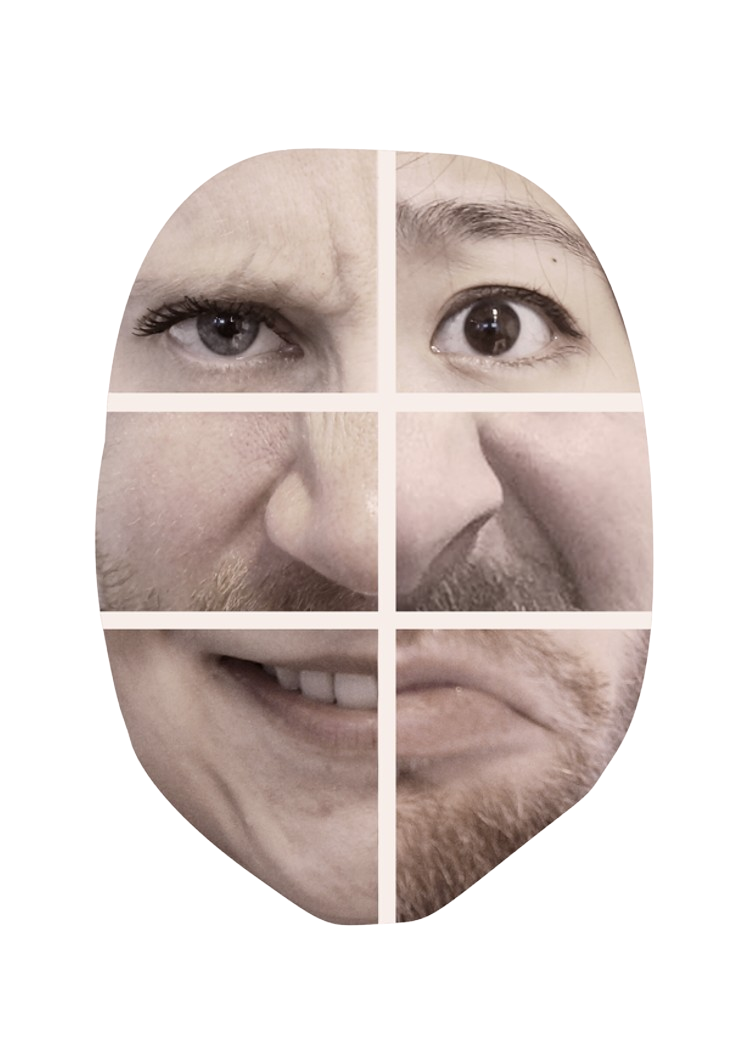
A single human face divided into six tiles, each showing a different emotional expression

Research Areas

Culture and Emotion

We investigate how culture shapes emotional experience, expression, perception, and understanding. Our work examines both similarities and variation across cultures, from widely studied emotions to more complex and culturally salient emotional experiences.


Multimodal Emotion Communication

We study how emotions are communicated through faces and voices, and how people use information from different channels to understand others' emotions. Our work includes facial expressions, vocal bursts, speech prosody, body movements, and the integration of emotional signals across modalities.

Emotion in the Arts

We examine how emotions are expressed, perceived, and experienced through artistic forms, including drawing, music, film, and dance. We are particularly interested in how artistic forms communicate emotion across cultures and how cultural experience shapes their interpretation.

Emotion and Social Cognition

We investigate how emotion and culture shape the way people perceive, evaluate, and understand others. This work examines how emotional, contextual, and temporal information is integrated in social judgment and impression formation.

Research Approach

We combine behavioural experiments with methods such as facial-movement analysis, acoustic analysis, eye tracking, and mouse tracking, alongside statistical and computational approaches including multilevel modelling, Bayesian methods, and machine learning.

Across our work, we aim to connect carefully controlled experiments with questions about how emotion operates in the diverse ways people communicate and interact in everyday life.

Recent Highlights

All highlights